Uncover the shocking truth behind the Dark Ages and the institutional corruption that nearly eclipsed true Christianity. From the scandals of the Vatican to the horrors of the Inquisition #we examine how pagan traditions replaced the simple teachings of Jesus. Learn how God preserved a remnant of Bible believers and kept His Word alive against all odds.

–––

▼ EVERYTHING ON THIS TOPIC ▼
Bible Believers History: Series 3 – Dark Ages, Episode 3: Corruption


Image Image

Uncover the shocking truth behind the Dark Ages and the institutional corruption that nearly eclipsed true Christianity. From the scandals of the Vatican to the horrors of the Inquisition #we examine how pagan traditions replaced the simple teachings of Jesus. Learn how God preserved a remnant of Bible believers and kept His Word alive against all odds.

Audio thumbnail

1. Introduction: The Divergence of Faith and Form

To the strategic analyst of ecclesiastical systems, the era commonly designated as the "Dark Ages" serves as an essential case study in systemic institutional failure. This period represents a catastrophic divergence between foundational biblical mandates and the operative reality of the religious hierarchy. It is a period defined not merely by historical distance, but by the intentional abandonment of the primary source authority in favor of administrative consolidation.

Central to this diagnostic report is the "Mystery of Iniquity" loop—a framework that identifies the critical contradiction between an institution's professed holiness and its empirical scandal. This loop creates a state of systemic cognitive dissonance; while the hierarchy claimed to represent the Vicar of Christ, its internal mechanics were entirely antithetical to that mission. This report evaluates how this contradiction eroded the social contract of Christendom, transforming a spiritual movement into a corrupt corporate entity. This decline was initiated and sustained by the profound moral failures of the leadership class.

2. The Anatomy of Leadership Failure: Moral and Administrative Corruption

The strategic health of any religious system is predicated upon the integrity of its leadership. When the vanguard fails to model the core values of the system, the spiritual authority of the entire infrastructure is compromised. During the medieval period, this failure was not an isolated outlier but a pervasive institutional rot that reached the highest echelons of the Vatican.

The following categories delineate the moral collapse that facilitated this decline:

  • Simony and Bribery: The acquisition of ecclesiastical offices was reduced to a financial transaction. Holy positions were sold to the highest bidder, effectively transforming the church into a marketplace where administrative power was decoupled from spiritual qualification.

  • Moral Contradiction: Historical evidence reveals a rampant disregard for traditional moral codes. High-ranking officials, including various popes, engaged in persistent adultery and maintained illegitimate children within the Vatican itself.

  • Sacrilegious Proximity: The depth of this corruption was intensified by its performance in close proximity to the tombs of the apostles Peter and Paul. This proximity demonstrates a total loss of reverence for the institution’s sacred history, indicating a collapse of internal self-regulation.

Institutional Consequences of Moral Bankruptcy

These scandals were not merely private ethical lapses; they functioned as the primary drivers of institutional damage. They transformed the church into a vehicle for "sinful men," stripping the hierarchy of its moral leverage. This "So What?" layer reveals that as the institution consolidated physical power, it simultaneously triggered a total spiritual insolvency that shocked the known world and rendered the hierarchy's claims of divine authority illegitimate.

3. The Economic Paradox: Hidden Wealth and Institutional Debt

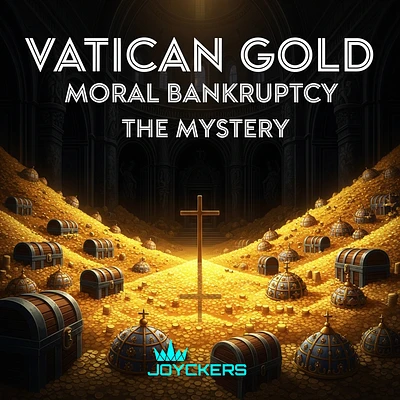
In religious systems, financial transparency serves as a key indicator of organizational health. Wealth accumulation, when divorced from accountability, creates a "Gold Gap" that masks systemic failure. During the Dark Ages, the institution utilized material luxury as a veil to obscure a state of profound administrative bankruptcy.

The Great Wealth Gap

The "Gold Gap" confirms that material assets were leveraged strategically to project stability where none existed. The luxury of the Vatican served as a sophisticated mask, hiding the reality that the institution had defaulted on its foundational spiritual obligations and was operating in a state of terminal fiscal and moral debt.

4. The Perversion of Rites: The Sanctification of Cruelty

The most severe marker of institutional decay was the strategic use of religious symbolism to justify systemic violence. The Inquisition represents the peak of this corruption, where the institution’s rites were weaponized against those who challenged its dominance.

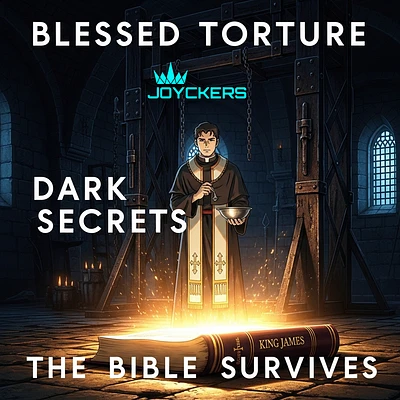
An outlier insight into this perversion is the documented practice of priests sprinkling holy water on torture devices. This act did not merely represent corruption; it sanctified atrocity. By invoking a divine blessing upon instruments of pain, the hierarchy co-opted the name of Jesus Christ to execute acts of pure evil. They consecrated violence and subverted the symbols of faith to serve a cruel and evil administrative agenda.

Critical Takeaways Regarding the Inquisition:

  1. Systemic Justification of Atrocity: Cruelty was not merely permitted; it was performed "in the name of Jesus," utilizing the religious framework to mask inhumanity.

  2. Ritualized Dehumanization: The use of "holy water" on torture devices demonstrates that the corruption had reached a ritualized peak, where the symbols of life were employed to facilitate suffering.

  3. The Collapse of the Religious Mask: The Inquisition revealed the moment where institutional survival and power preservation overrode every doctrinal tenet of the faith, exposing the system as an engine of administrative terror.

5. Doctrinal Infiltration: The Displacement of Biblical Authority

The core strategic lesson of this era lies in the conflict between "Bible vs. Tradition." The moral and physical decay of the church was the inevitable symptom of a more profound shift in its doctrinal foundation.

Throughout the Dark Ages, biblical Christianity was systematically replaced by "pagan infiltration" and empty traditions. This process allowed the hierarchy to introduce extrabiblical practices that secured its own authority, creating a "Religious Mask"—a complex system of rituals that appeared holy but lacked the substance of true faith. True faith, defined as following the person of Jesus Christ, was discarded in favor of a paganized system. By displacing the Bible as the ultimate authority, the institution lost its ability to self-correct, plunging Christendom into a prolonged era of spiritual ignorance.

6. The Preserved Remnant: The Resilience of the Word

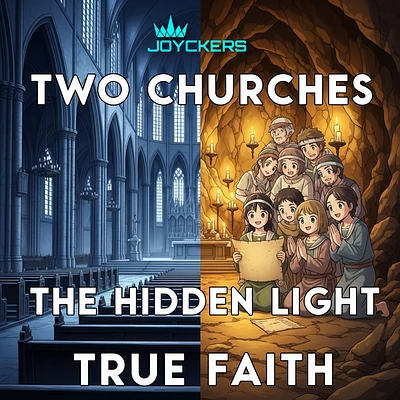
Despite the collapse of the visible institution, the strategic reality remains: institutional failure does not equate to the death of truth. Even as the "religious" systems failed, a "Hidden Light" persisted through a clandestine parallel history of true believers.

The Word of God—specifically preserved through the lineage leading toward the authority of the King James Bible—served as the "measuring stick" that survived the darkness. While the hierarchy was mired in scandal and gold, a parallel movement of believers outside the paganized system maintained the light. This "Secret Survival" indicates that the truth is not dependent on the health of an earthly institution. Even when the system appeared to have won by replacing Christianity with pagan traditions, the Word remained an accessible authority for those who refused to bow to the corrupt hierarchy.

7. Conclusion: Cautionary Resource for Modern Theological Practitioners

The history of the Dark Ages serves as a diagnostic warning for modern leadership. Institutional growth and material wealth are not indicators of spiritual health; they are often the very masks used to hide deep-seated corruption.

Cautionary Checklist for Modern Practitioners:

  • The Imperative of Biblical Primacy: Every tradition and administrative decision must be measured against the Bible as the ultimate standard. If a tradition contradicts the Word, it must be discarded without exception.

  • The "Fruit" Diagnostic: Do not grant trust based on a "holy" title. As instructed in 1 John 4:1, practitioners must "try the spirits whether they are of God," evaluating the actual fruit of a leader’s life over their institutional rank.

  • Christ-Centric Following: There is a constant strategic danger of following men because of their positions. True faith requires a commitment to the person of Jesus, not to sinful men or empty religious systems.

The Dark Ages prove that while men fail and traditions crumble, the Word of God remains the ultimate light through any age of institutional darkness. For as it is written, "The word of the Lord endureth for ever" (1 Peter 1:25).

Audio thumbnail

1. Introduction: The Mystery of Iniquity

To understand the "Dark Ages," one must look past the simple chronological definition of a thousand-year gap in history. From the perspective of a biblical historian, this era represents the "Mystery of Iniquity"—a period of staggering contradiction where the visible religious system, the very institution claiming to hold the keys to heaven, became the primary obstacle to the Gospel. The stakes of this era were nothing less than spiritual survival. As the devil attempted to "wipe out true Christianity," he replaced the simple power of the blood of Christ with a corrupt, man-made religious machine. As students of history and truth, we are commanded by the Apostle John to "believe not every spirit, but try the spirits whether they are of God" (1 John 4:1). We must apply this biblical test to an era that cloaked itself in light while presiding over profound darkness.

The Shocking Reality "While the world looked to the Vatican for holiness, they found scandals that shocked the world—and billions of dollars in gold hidden behind a veil of debt. The very men claiming to lead the church were often the ones most actively trying to destroy its spiritual foundations."

The darkness of this age was not merely a lack of education or progress; it was a calculated departure from the Word of God. This systemic failure began at the very top, where the personal lives of leaders stood in direct opposition to the cross they claimed to represent.

--

2. The Great Contradiction: Holy Titles vs. Scandalous Lives

The crisis of the Dark Ages was fueled by a devastating gap between "The Mask" of religious office and "The Reality" of the men who held those offices. While these leaders claimed the highest spiritual authority on earth, their documented historical records reveal lives of unchecked depravity that shook the conscience of the known world.

The Mask vs. The Reality

These were not isolated incidents of human weakness; they were a systemic collapse of integrity. When the "holy" office is used to shelter personal sin, the credibility of the entire institution is surrendered. This personal corruption at the summit of power inevitably manifested as a ravenous institutional greed that created a jarring economic paradox.

--

3. The Gold Gap: Institutional Luxury vs. Spiritual Bankruptcy

The "Gold Gap" serves as one of the most visible indicators of spiritual decay during this period. The institution managed to accumulate unfathomable material wealth while simultaneously drowning in moral and financial insolvency—a clear sign that material blessing was being used to counterfeit divine approval.

The 3 Key Factors of the Gold Gap:

  • The Facade of Physical Wealth: By surrounding itself with billions of dollars worth of gold and lavish architectural splendor, the church sought to project an image of power and favor. The "So What?": This material gold was a substitute for the spiritual light that had been extinguished.

  • The Reality of Institutional Debt: Despite the mountains of gold, the system was "deep in debt and corruption." This reveals that the wealth was not used for the ministry of the Word, but was consumed by the lavish lifestyles and bribes of a corrupt leadership. The "So What?": Extravagance does not equal stability; the church was spiritually bankrupt and financially overextended.

  • The Spiritual Void: The accumulation of physical treasure happened in direct proportion to the loss of spiritual authority. The "So What?": This demonstrates that the closer an institution gets to the world's wealth, the further it often moves from the simple words of Jesus.

As the institution’s moral compass failed, it began to use its massive wealth and religious rituals to justify a terrifying new reality: the sanctification of violence.

--

4. The Perversion of Faith: The Inquisition and "Holy" Evil

The most haunting evidence of the Dark Ages' corruption was the Inquisition. This was not merely a political instrument; it was a total inversion of the Christian faith. It represents a psychological and spiritual horror where the name of Jesus—the Prince of Peace—was used to justify the systematic torture of the innocent.

The Inquisition was the ultimate expression of the "Religious Machine" maintaining control through fear. Historians identify this as the "Inversion of Mercy": a visceral perversion of grace where priests would actually sprinkle holy water on torture devices and invoke God’s blessing before inflicting agony. This was "pure evil" masked in religious ritual. By claiming to serve God while practicing cruelty, the institution turned symbols of grace into tools of torment, demonstrating a total rejection of the heart of Christ.

This systemic evil was the unavoidable result of a centuries-long shift away from the authority of the Bible and toward a structure built on pagan tradition.

--

5. Systemic Shift: From Biblical Truth to Pagan Tradition

The "Darkness" was the result of a fundamental abandonment of the Word of God. During these centuries, "true Christianity" was driven underground, replaced by a man-made system that prioritized institutional survival over biblical truth.

The Evolution of the Dark Ages System:

  1. Abandonment of the Word: The authority of the Bible was set aside in favor of the decrees of sinful men.

  2. Infiltration of Pagan Ideas: Biblical truths were systematically replaced with ancient pagan rituals, "holy water" superstitions, and empty traditions.

  3. Rise of the Religious Machine: A massive bureaucracy was built to protect the gold, the power, and the scandals of the leadership.

  4. The Suppression of Light: True faith was treated as a crime, making it appear as though the devil had finally won.

However, there is a Parallel History that the history books often skip—the "Blue Ocean" of true faith. While the visible "pagan" system was dark, a "remnant" of Bible believers existed in the shadows. These were the "Hidden Dispensational Lights" who refused to bow to the religious machine. They held fast to the preserved Word—the same stream of truth that would eventually be manifest in the King James Bible. Even when the institutional church failed, God was preserving His truth through a people who followed the Word, not the Vatican.

--

6. Summary: The Learner’s Takeaway (The "So What?")

The history of the Dark Ages is a cautionary tale that echoes into our modern world. It serves as a stark reminder that institutional power, billions in gold, and impressive religious titles are never substitutes for the truth of God's Word.

Checklist for Discernment

  • [ ] Measure all leadership by the King James Bible: Do not trust a leader based on their title, their wealth, or their claims of "apostolic succession." Use the KJV as your ultimate measuring stick to "try the spirits."

  • [ ] Distinguish between institutional tradition and true faith: Recognize that man-made systems can become "machines" of corruption. True faith is found in following the Jesus of the Bible, not the empty traditions of men.

  • [ ] Seek the "Hidden Light" of truth: Even in the darkest historical or modern times, the truth is available to those who seek it. Men will fail, and traditions will crumble, but the Word is your anchor.

The final lesson of the Dark Ages is one of hope and authority: though the world may fall into darkness and the "visible" church may fail its mission, we can rest in the promise that "the word of the Lord endureth for ever" (1 Peter 1:25). Follow the Word, not the sinful men who profit from its absence.

Audio thumbnail

1. The Mystery of Iniquity: An Introduction

History is often sanitized by the victors, draped in the heavy velvet of institutional "holiness." But beneath the gilded surface of the Dark Ages—a millennium-long shadow—lies a staggering contradiction. How did a system claiming to be the exclusive representative of the Creator become the global epicenter of scandal, greed, and blood? This is more than a historical curiosity; it is the "Mystery of Iniquity" in action.

The Archive of the Dark Ages reveals a deliberate "loop" of deception: the devil’s systematic attempt to wipe out true Christianity by replacing the indwelling Spirit with a crushing, man-made system. As investigative historians, we must heed the command of 1 John 4:1 to "try the spirits whether they are of God." The stakes are nothing less than spiritual survival. In an era where "empty traditions" were sold as salvation, understanding this "Mystery" is the only way to avoid repeating the same catastrophic errors today.

2. The Palace of Sin: Gold, Bribes, and Illegitimate Children

The corruption of the religious leadership during this era was not a series of isolated lapses; it was a systemic moral bankruptcy that reached the highest peaks of power. The archives reveal a staggering betrayal of the cloth, where crimson robes frequently covered scarlet sins.

The Moral Vacuum. History records the lived reality of popes residing in palaces of gold while living in open adultery. The Vatican was not merely a house of prayer; it was a residence for the illegitimate children of men who claimed the highest spiritual titles on earth. These were not secrets whispered in corners, but scandals that shocked the contemporary world.

The Gold Gap. While the common man labored in poverty, the institution accumulated billions in gold, hidden behind a veil of perceived debt and spiritual authority. This "Gold Gap" represented a system trading in "spiritual subprime mortgages"—selling forgiveness and "holy" positions through bribes to fund earthly luxury. They held the keys to the treasury, but their moral accounts were entirely overdrawn.

3. When Torture was "Holy": The Darkest Perversion

The peak of this corruption—the absolute outlier of historical evil—was the sanctification of cruelty. During the Inquisition, the line between the divine and the diabolical was intentionally erased. The clink of the iron torture chains was often preceded by the splash of water.

"Did you know that priests once sprinkled holy water on torture devices, claiming to do God’s work while committing acts of pure evil?"

This was the ultimate "holy" mask. By invoking the name of Jesus to justify the rack and the flame, the institution did not just fail its mandate; it inverted it. The literal blessing of instruments of torment represents the peak of the Mystery of Iniquity—the blessing of pure evil in the name of the Prince of Peace.

4. The Stolen Light: Replacing the Word with Paganism

As the institutional hierarchy consolidated power over these 1,000 years, the "light" of the Gospel was intentionally shuttered. This was a spiritual heist: the systematic replacement of Biblical Christianity with a complex religious system designed to keep the populace dependent on the institution rather than the Savior.

  • The Pagan Infiltration: Biblical truths were methodically exchanged for pagan practices and sacramentalism. The simple Gospel of Grace was buried under a thicket of man-made works.

  • System vs. Spirit: The institution replaced the authority of the Word with the authority of the System. By making the "priest" the gatekeeper of heaven, they moved the focus away from the finished work of Christ.

  • Tradition vs. Truth: Empty rituals were elevated above the "simple words of Jesus," creating a spiritual darkness where the common person was denied the very map intended to lead them home.

5. The Parallel History: The Light That Refused to Go Out

However, history is not a tragedy of total loss. While the visible religious system was drowning in scandal and blood, a "Blue Ocean" of truth remained. This is the story of the Hidden Dispensational Light—the "Parallel History" of a remnant that refused to bow.

This was not a group of rebels, but the actual custodians of the manuscript tradition. While the popes sat in gold-filled palaces, a small, faithful lineage of believers preserved the Word of God in its purity. This preservation was a "Secret Survival" that ensured the light of the Gospel would endure. It is this very lineage of the "Preserved Word" that flows directly into the King James Bible, standing as a monument to the truth that no system of men can ever fully extinguish.

6. Conclusion: Who Do You Follow?

The history of the Dark Ages serves as a visceral warning for the modern seeker: titles are not truth, and systems are not salvation. If the most "holy" institutions in human history could bless the instruments of torture and trade the Gospel for gold, we must employ the ultimate measuring stick.

Men will fail, and traditions will eventually crumble under the weight of their own iniquity. But as 1 Peter 1:25 reminds us, "the word of the Lord endureth for ever." We must look past the "visible religious systems" to the preserved Word.

If traditions and systems can fail so completely, are you following a title, or are you following the Word?

Image Image

▼ READ IT NOW ▼
The Mystery of Iniquity

---

Want the After Show and full comics? Join Bible Watcher (US$6.99/month)
Want anime, study guides, and private Discord? Join Prophecy Insider (US$12.99/month)
Create a free account to follow updates: Joyckers.com

Image
Image
Image
+8
Image
12
Join to access
Image
1
Join to access